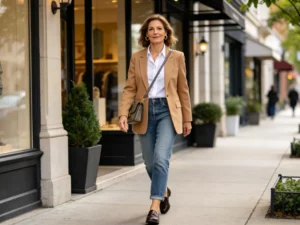
Red hair can brighten the complexion, add dimension to gray strands, and make a familiar haircut feel refreshed. The most helpful starting point is undertone: golden, peach, and olive complexions often coordinate well with warm reds, while pink, rosy, or blue-based complexions tend to suit cooler reds. Neutral undertones can usually borrow from both groups.
The natural color of your brows, the amount of gray in your hair, and your preferred maintenance schedule matter too. Use these 23 red hair shades as a salon consultation guide, and ask your colorist to adjust the depth, warmth, and highlight placement around your face.
1. Soft Strawberry Blonde for Warm Undertones
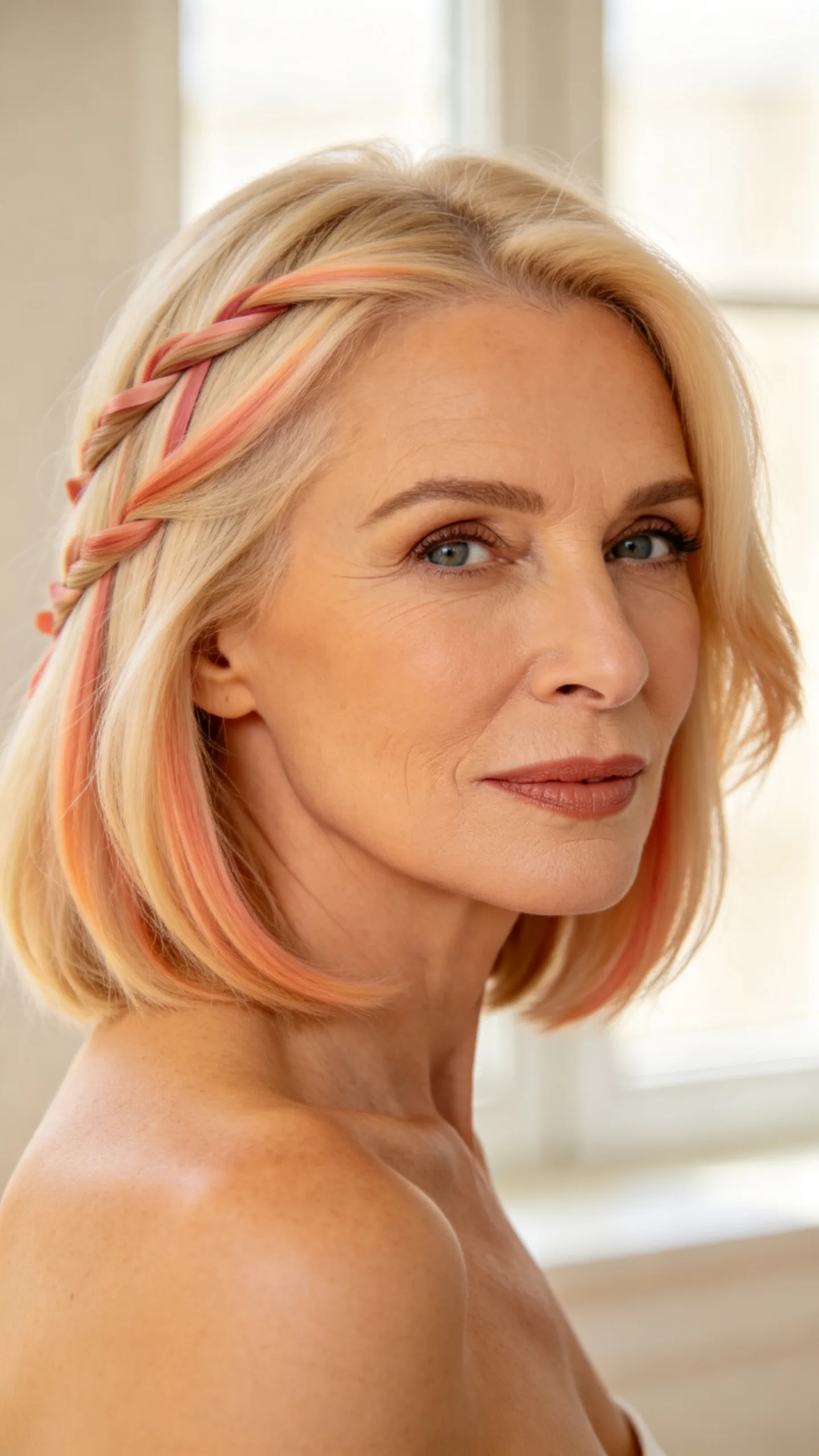
Soft strawberry blonde combines pale golden blonde with a light wash of copper. It is especially compatible with warm ivory, peach, and golden skin because the color echoes those sunny undertones without creating a severe contrast.
This shade works well on naturally blonde, light brown, white, or silver hair. Ask for fine strawberry ribbons rather than one solid color if you want gray strands to blend into the finished look. A peach-toned gloss can refresh the warmth between full color appointments.
2. Cool Strawberry Beige for Rosy Skin
Cool strawberry beige is a quieter alternative to traditional golden strawberry blonde. It mixes beige blonde with a restrained rose-red tone, making it a useful choice for complexions that flush easily or have visible pink undertones.
Keep the base neutral and request delicate rose-beige highlights around the face. Avoid strongly orange pieces near the cheeks, which can compete with natural redness. A beige or pearl gloss helps maintain the cooler direction as the color fades.
3. Light Apricot Copper for Peach Undertones
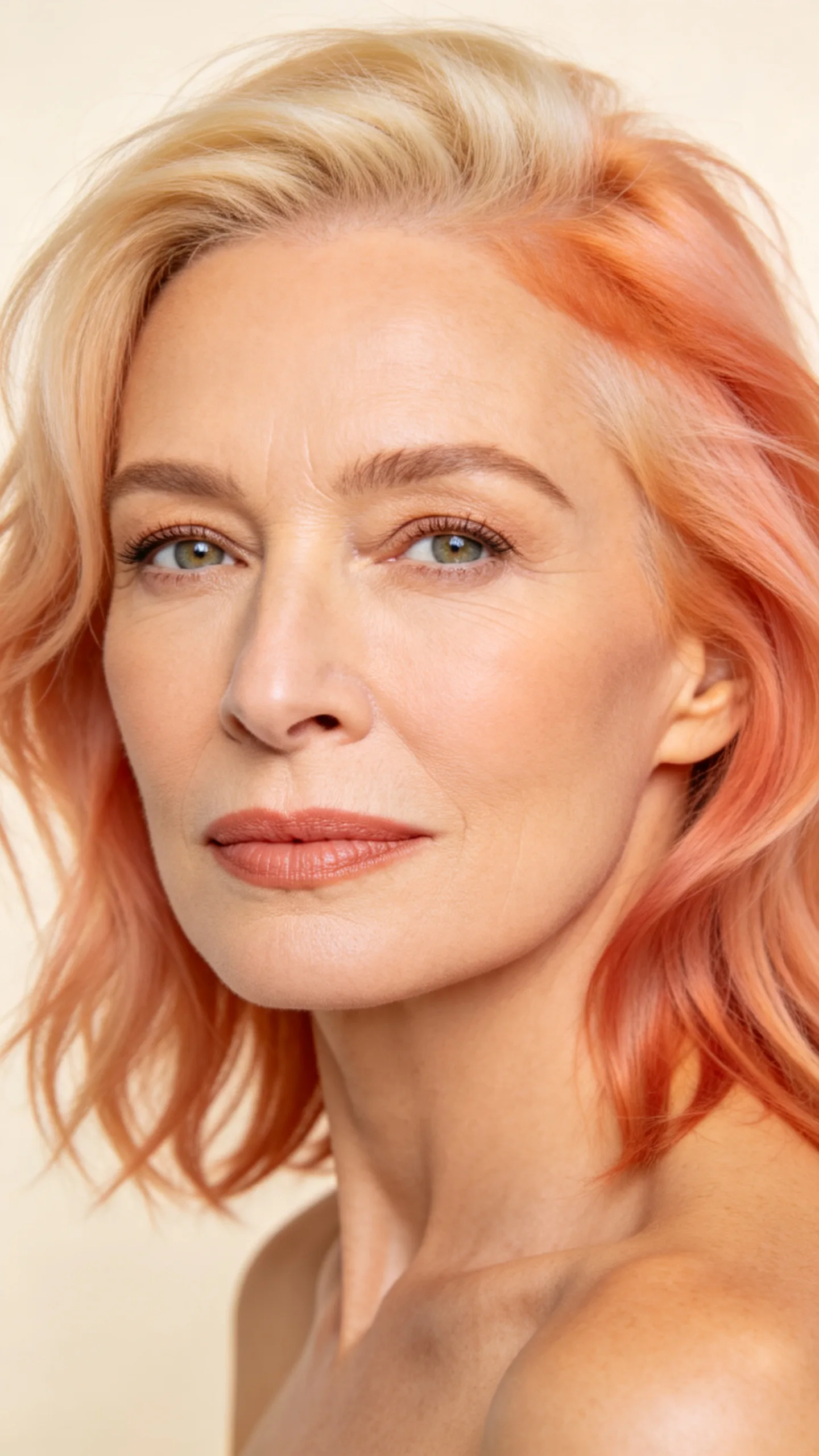
Apricot copper sits between strawberry blonde and true copper, with soft peach and golden-orange notes. It brings warmth to light or medium complexions without the intensity of bright orange-red hair.
This shade is particularly attractive on a layered bob, pixie, or shoulder-length cut because movement reveals its subtle tonal variation. Ask for a slightly lighter apricot section around the hairline to blend early gray and soften the transition near the face.
4. Golden Copper for Warm Beige Skin
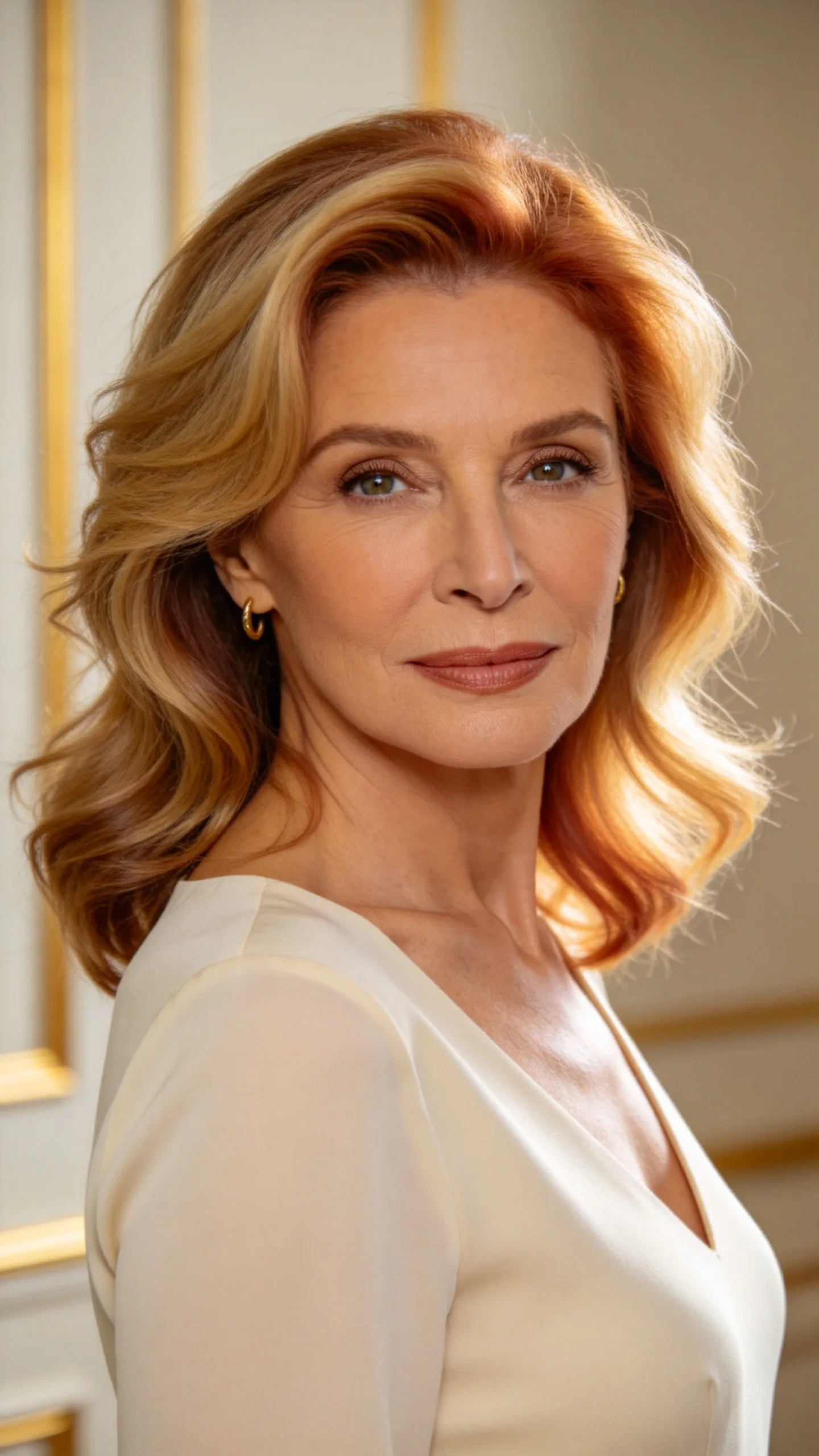
Golden copper combines a medium copper base with honey-toned highlights. It suits warm beige and golden complexions that can carry noticeable warmth without looking washed out.
For a dimensional result, keep the roots slightly deeper and add thin golden-copper pieces through the crown and ends. Gold jewelry, camel clothing, cream knits, and warm brown frames coordinate naturally with this shade. Use a copper color-depositing conditioner sparingly to prevent the ends from turning overly orange.
5. Classic True Copper for Neutral Undertones
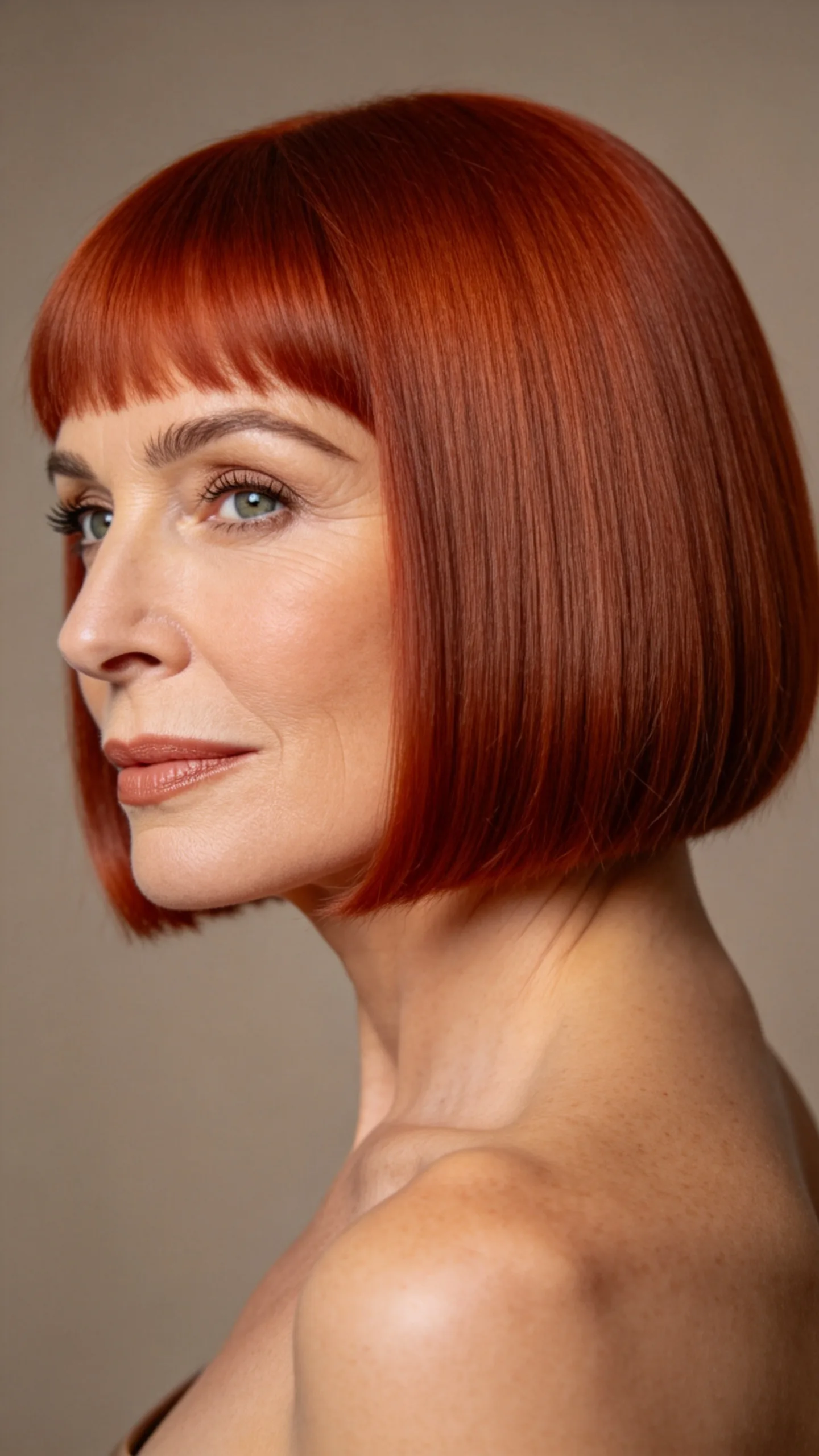
True copper is a balanced, medium-bright red with enough orange to look lively but enough depth to remain wearable. Neutral undertones are well positioned for this shade because the complexion does not lean strongly pink or golden.
A single-process copper can look striking on a sleek bob, while a mix of lighter and darker copper creates more dimension on curls or layers. Ask the colorist to keep the shade clear rather than brown-heavy if you want an unmistakably red result. Color-safe shampoo and cooler rinsing water can help slow fading.
6. Cinnamon Copper Brown for Warm Olive Skin
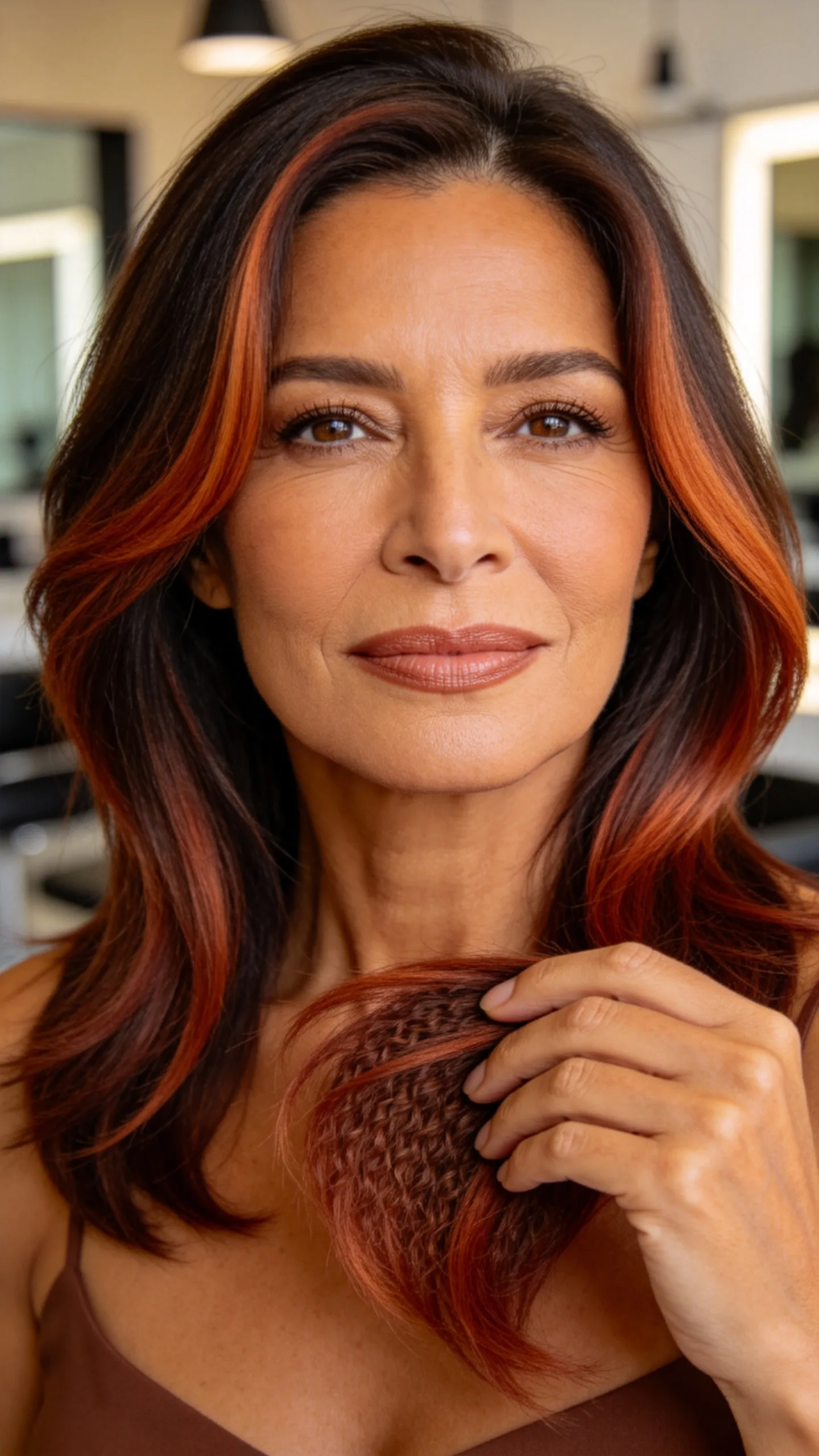
Cinnamon copper brown blends a brunette foundation with fine copper-red warmth. The brown base gives the color depth, while the cinnamon tones add visible richness without pushing the hair into vivid orange territory.
This is a practical option for naturally medium or dark brown hair because it may require less lightening than pale copper. Ask for cinnamon balayage through the mid-lengths and around the face, leaving a deeper brunette root for easier grow-out. The contrast also helps textured and layered cuts appear more defined.
7. Amber Red for Golden Undertones
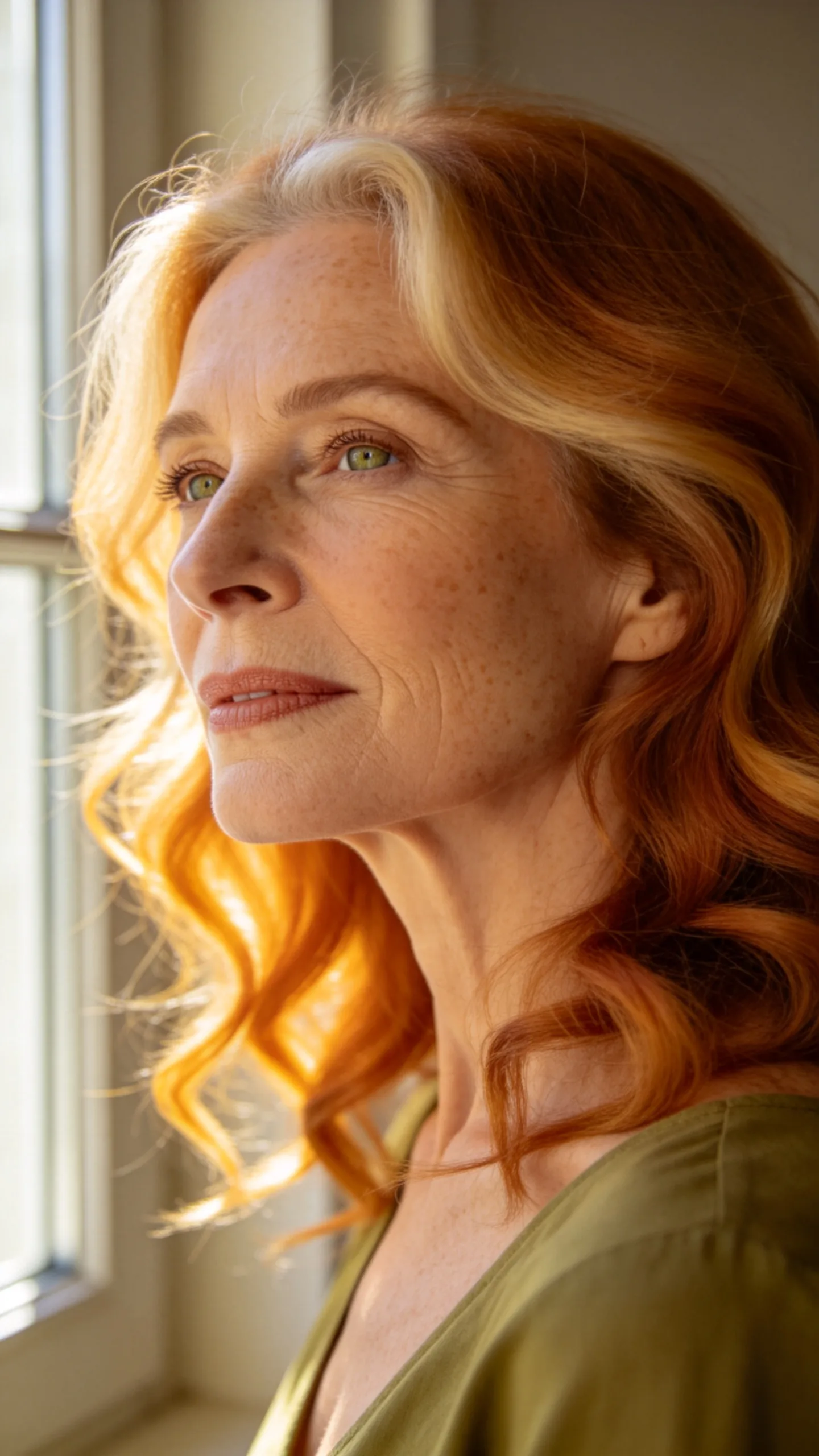
Amber red has a translucent blend of gold, copper, and light auburn. It pairs naturally with golden skin, warm freckles, and hazel or green eyes because it repeats their yellow and honey-colored notes.
Try an amber gloss over dark blonde or light brown hair for a subtle change, or request brighter amber ribbons over an auburn base. This shade looks especially polished with tortoiseshell glasses, bronze earrings, and clothing in olive, cream, teal, or chocolate brown.
8. Ginger Spice Red for Warm Fair Skin
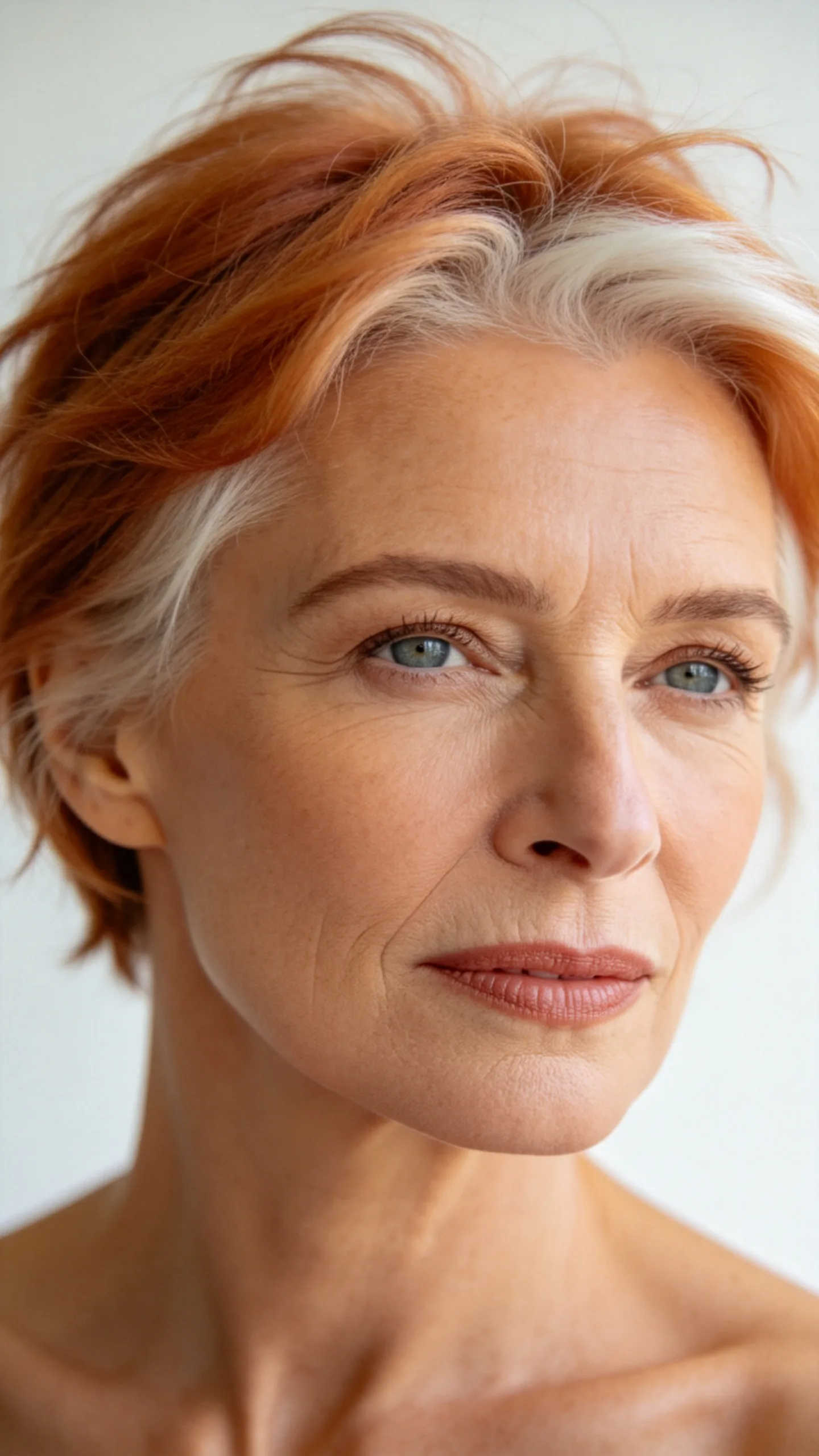
Ginger spice red is lighter and more golden than standard auburn, with a softly toasted finish. It can complement fair skin with warm or peach undertones while keeping the overall effect lighter than dark red-brown.
Ask for multiple fine tones—pale ginger, muted copper, and a slightly deeper root—instead of one flat shade. This variation is useful when incorporating naturally white strands, which can become the lightest ginger highlights. A root-smudge technique can also make regrowth less obvious.
9. Muted Terracotta for Neutral-Warm Skin
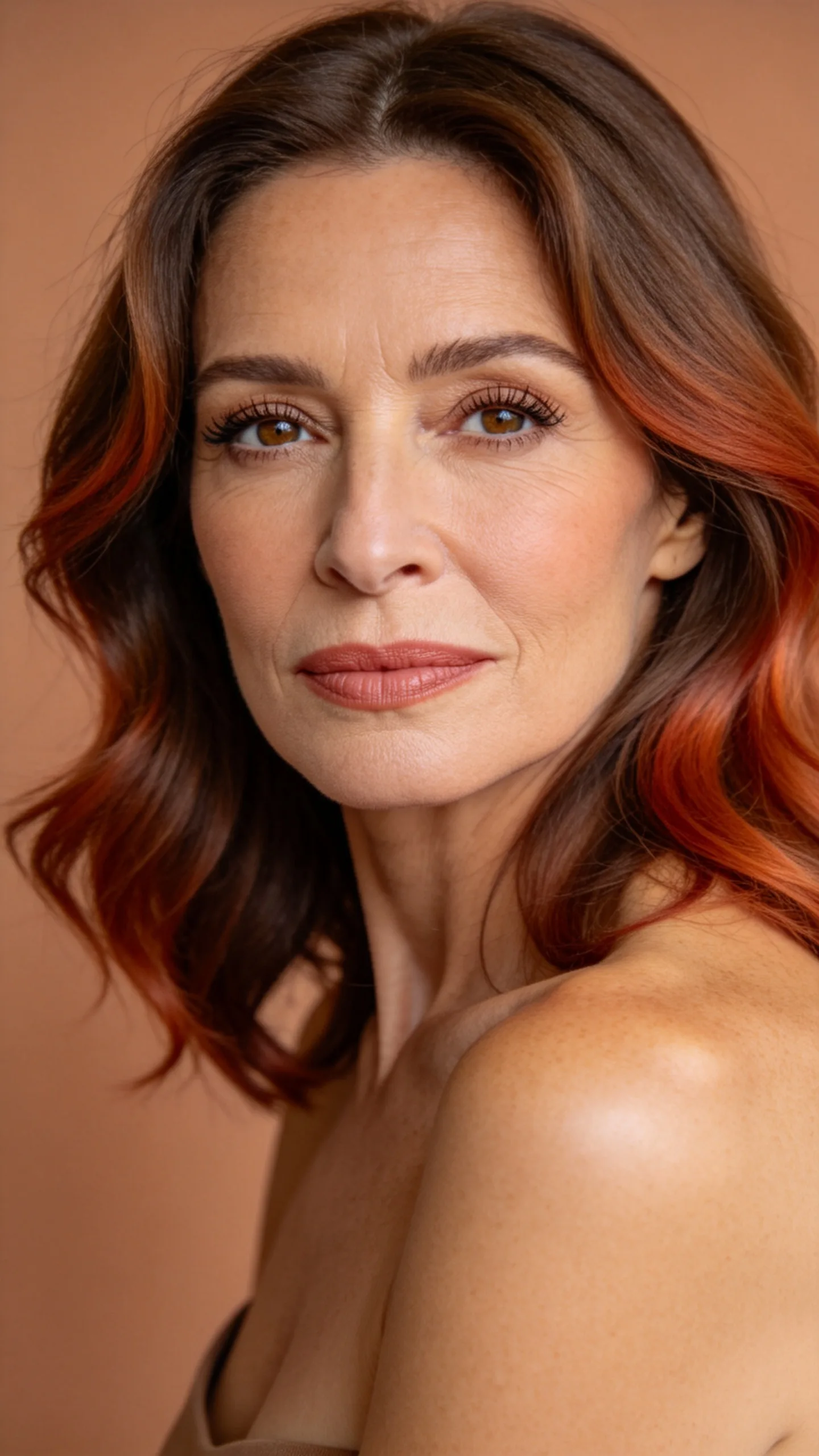
Muted terracotta is an earthy red-orange softened with brown. It provides the character of copper without the neon brightness that can appear in highly saturated fashion reds.
This shade is well suited to neutral-warm complexions and medium brunette bases. Request terracotta highlights over a chestnut foundation or a soft all-over terracotta glaze. Pairing it with understated makeup—brown mascara, peach blush, and a neutral rose lip—keeps the hair as the main color statement.
10. Warm Auburn for Golden or Olive Undertones
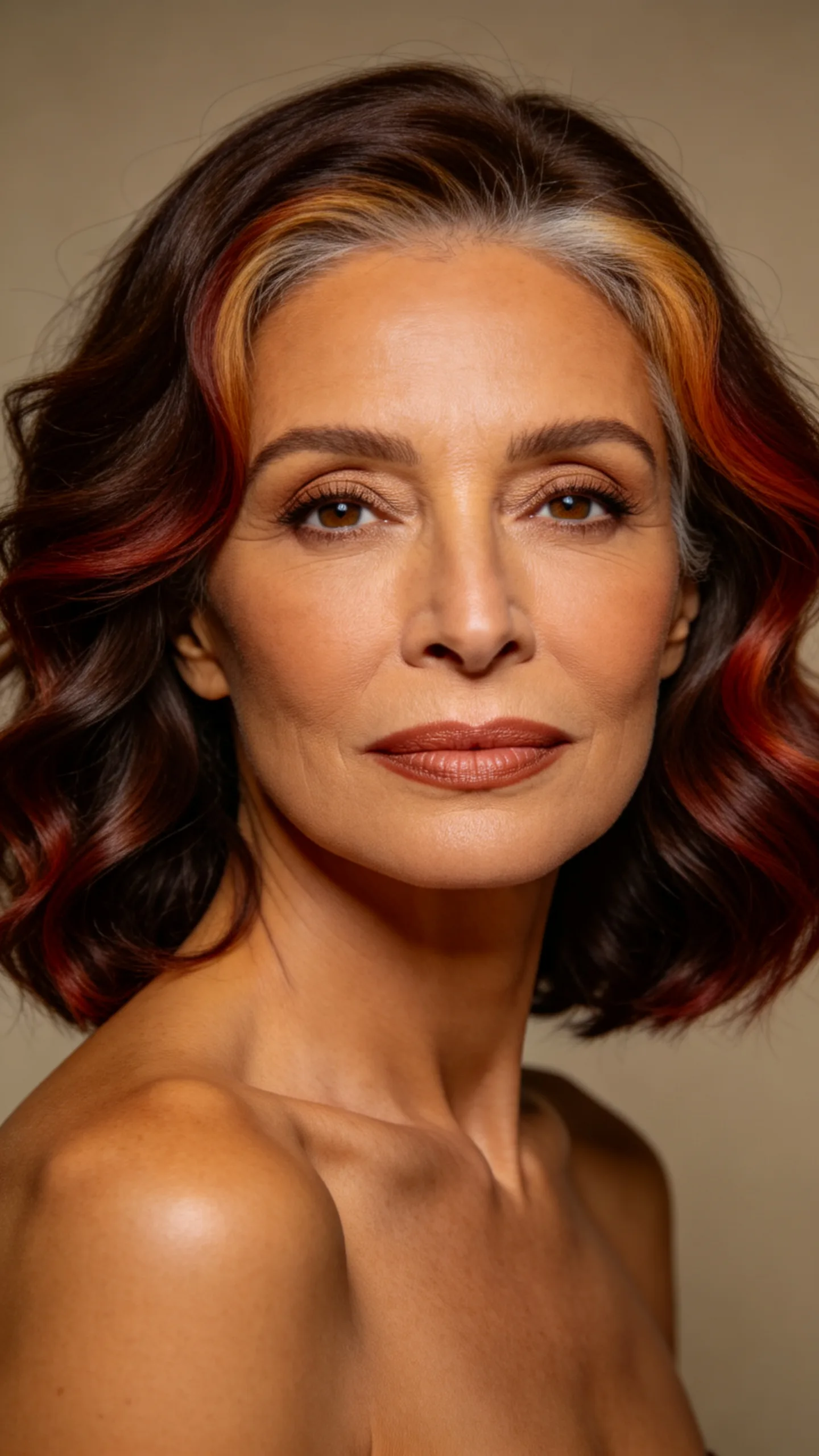
Warm auburn combines rich red with chestnut brown and subtle copper. It offers more depth than ginger or strawberry shades, making it a strong choice for women who prefer brunette hair but want clearly visible red tones.
Keep the deepest brown near the roots and place warm auburn through the lengths for a lower-maintenance transition. Fine caramel-copper pieces near the temples can soften gray regrowth. This shade works particularly well on voluminous bobs, soft waves, and shoulder-length layers.
11. Mahogany Auburn for Cool Undertones
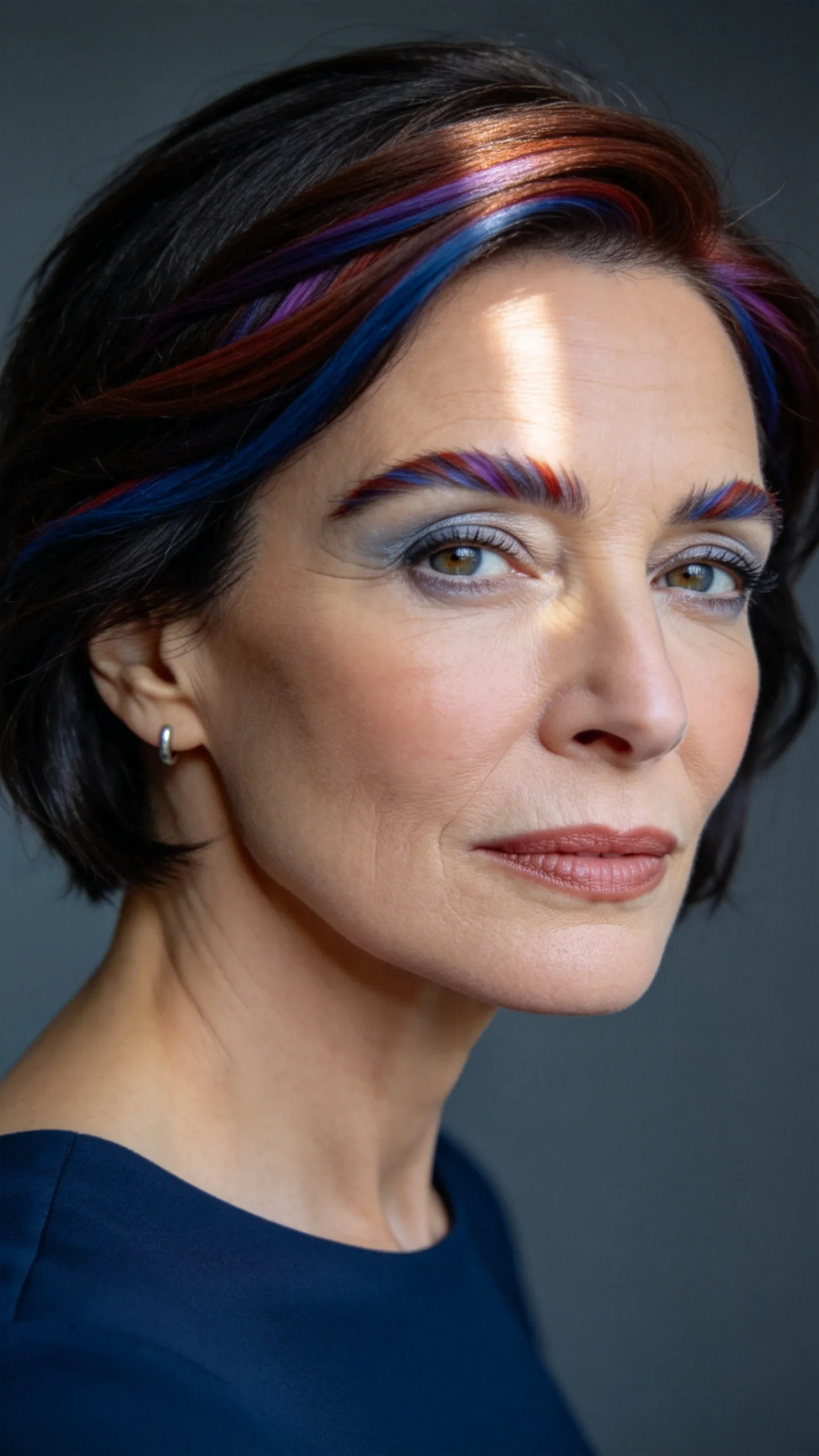
Mahogany auburn is a deep red-brown with restrained violet or blue-red notes. Unlike copper-heavy auburn, it avoids strong orange tones and coordinates better with cool beige, rosy, or pink undertones.
Ask for a brunette base with mahogany ribbons rather than an opaque burgundy block color. The dimensional approach prevents dark hair from appearing flat, especially on shorter cuts. Silver jewelry, charcoal clothing, navy, and cool berry lipstick reinforce the cooler color direction.
12. Cherry Cola Brown for Cool Brunette Bases
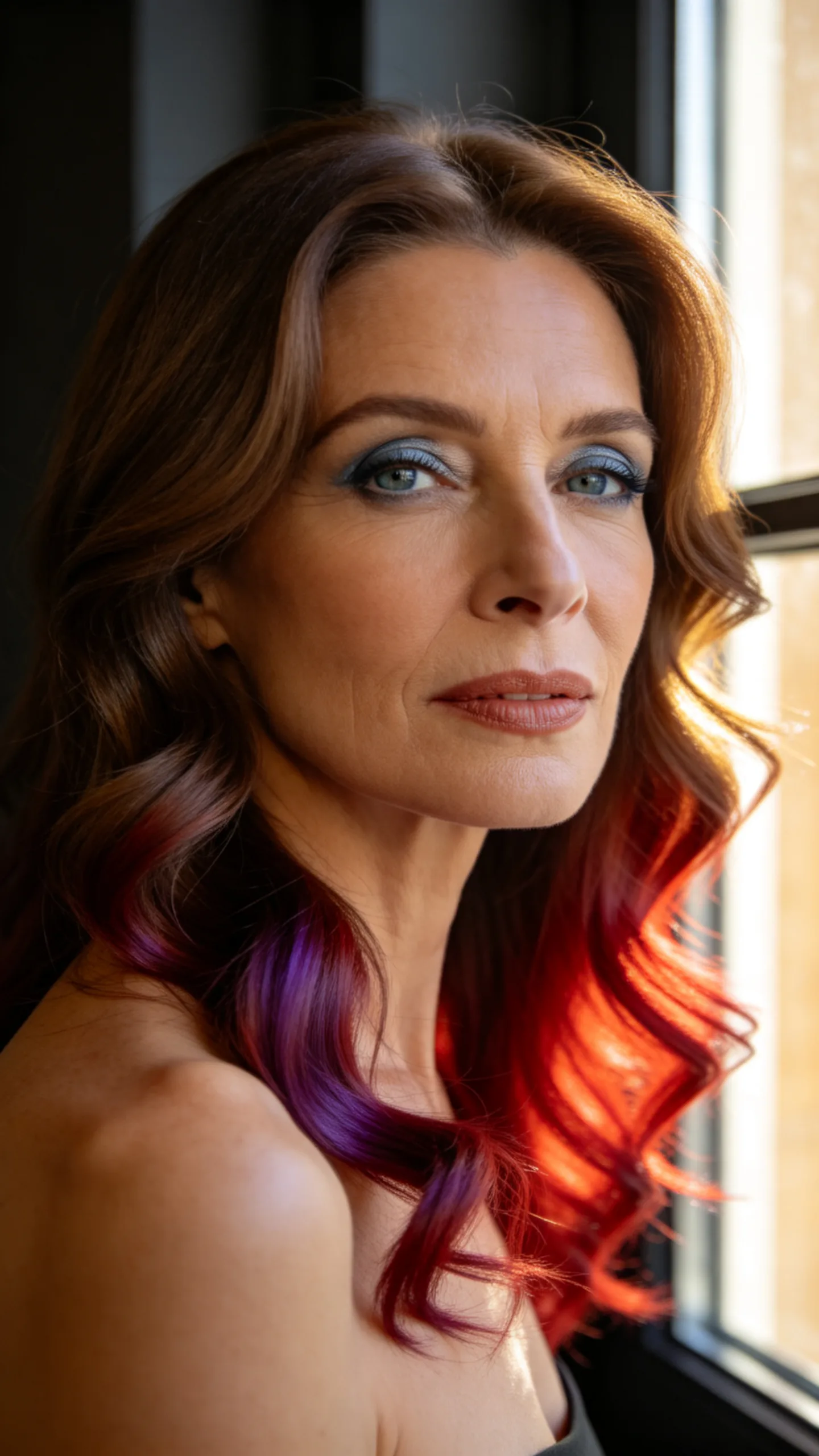
Cherry cola brown layers muted cherry-red over deep brunette hair. The red becomes more visible in sunlight or around curled sections while the overall shade remains dark and polished indoors.
This option can require less pre-lightening on naturally dark hair than copper or strawberry blonde. Ask for cherry highlights concentrated from the mid-lengths downward, with a cool brown root. A red-brown gloss can maintain shine without making the hair look purple.
13. Deep Burgundy for Cool Deep Skin Tones
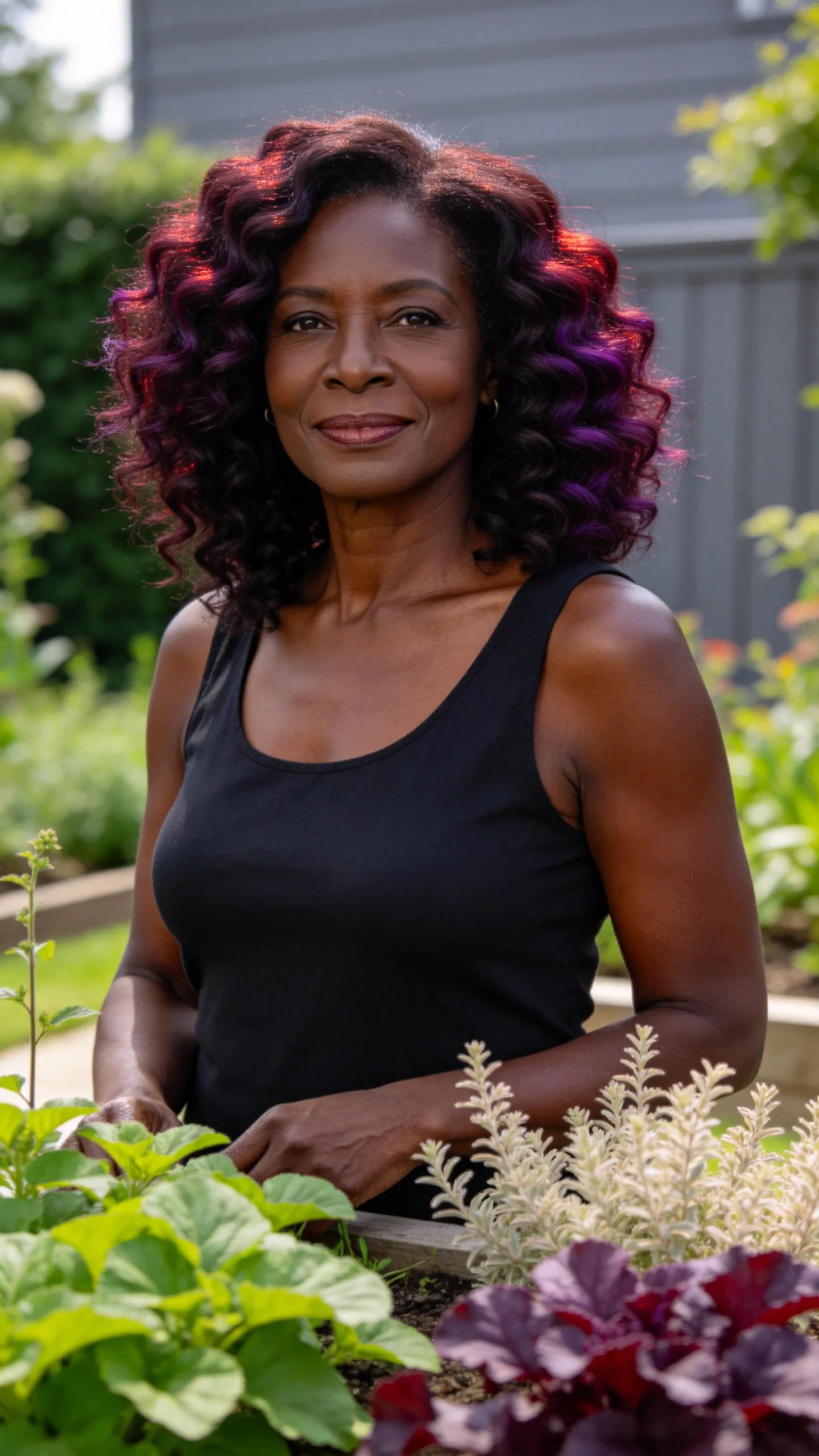
Deep burgundy combines dark red with wine and subtle violet notes. It creates defined contrast on deep complexions with cool or neutral undertones and can also bring out brown, gray, or dark hazel eyes.
To preserve dimension, request a dark chocolate or soft-black base with burgundy panels instead of using one dense color from root to tip. Wider ribbons can be effective on curls, coils, and thick hair because the red remains visible within the texture. Moisture-focused color care helps reflective burgundy tones look less dull.
14. Blackberry Red for Cool Rosy Undertones
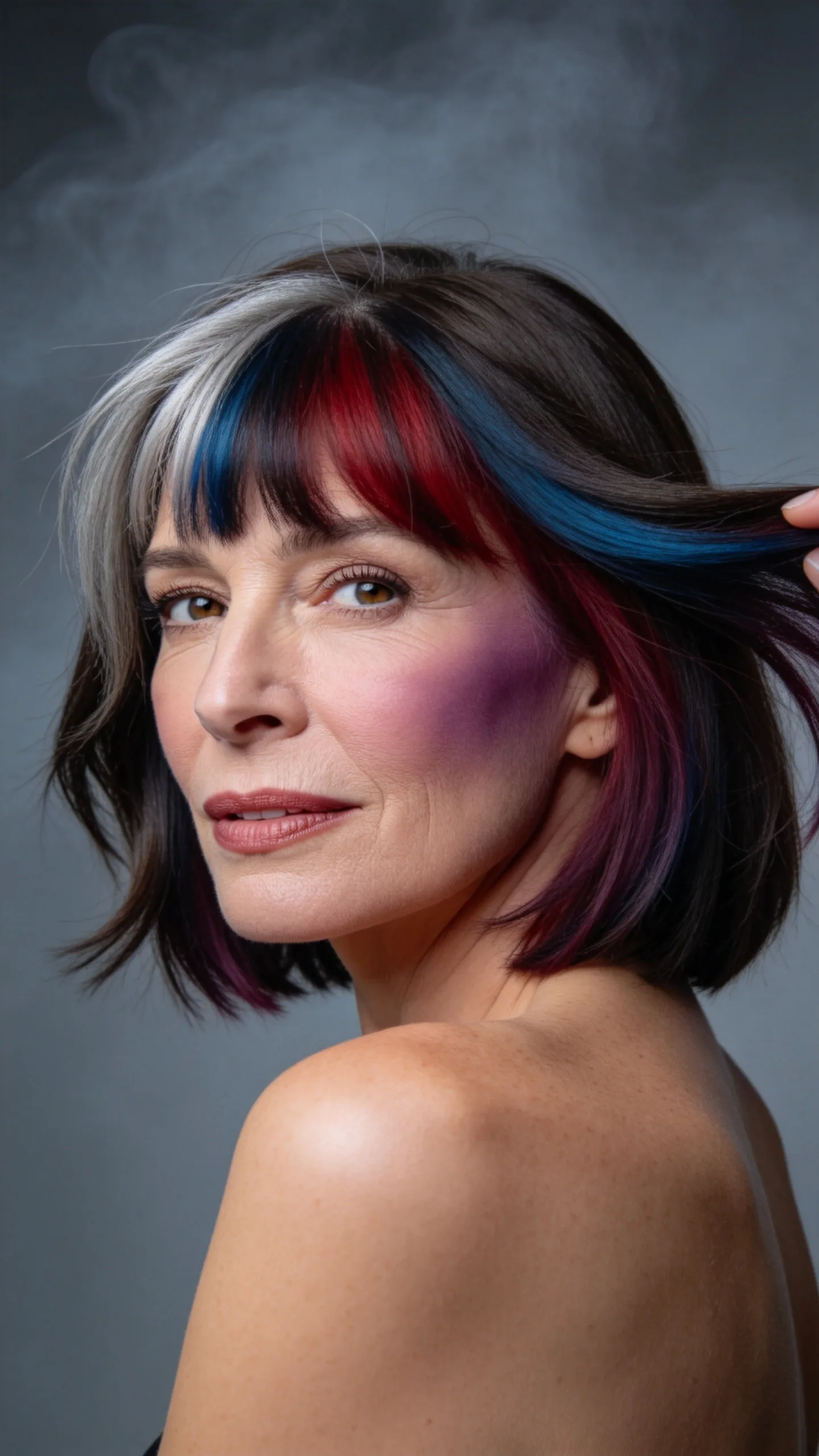
Blackberry red is a dark berry shade that falls between burgundy and plum. Its blue-red base makes it more compatible with cool rosy complexions than orange-based copper.
Use it as a lowlight on gray or brunette hair for a subtle effect, or place blackberry sections beneath the top layer for controlled flashes of color. Because very dark berry shades can create a strong frame, consider a slightly lighter piece near the face or a soft side-swept fringe.
15. Cranberry Red for Cool Fair Skin
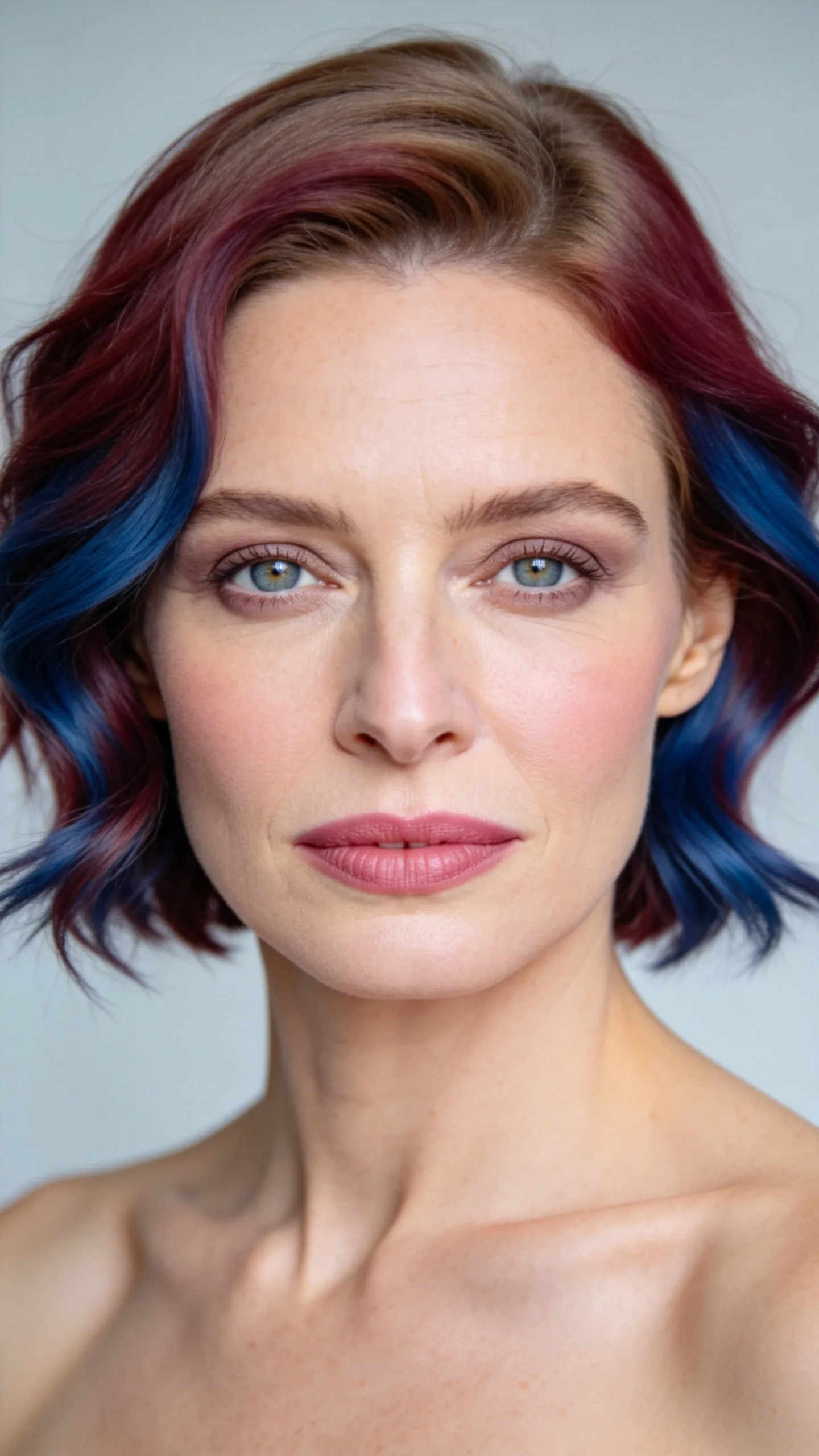
Cranberry red is a medium blue-based red with a bright, crisp finish. It can provide definition against fair skin with cool undertones without introducing the orange cast found in warm copper.
A muted cranberry glaze is more wearable than an intensely saturated primary red. Ask for a neutral brown shadow root if you want softer regrowth, then carry cranberry through selected lengths. Cool pink blush, taupe eye makeup, and rose lipstick coordinate without duplicating the hair color too closely.
16. Raspberry Brown for Neutral-Cool Undertones
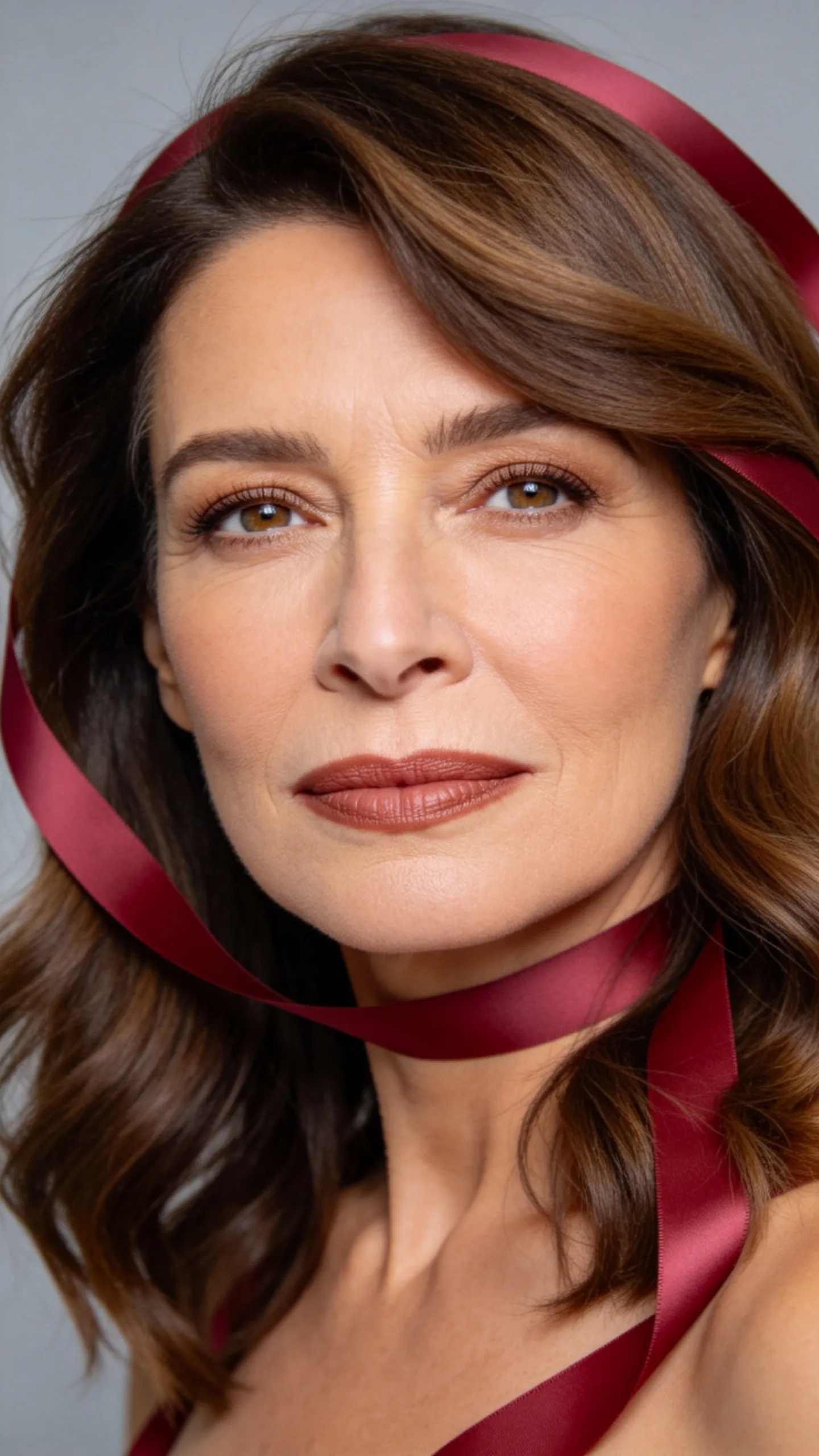
Raspberry brown combines a wearable brunette base with berry-red highlights. It offers more softness than vivid raspberry while still showing a distinct cool red tone in natural light.
This shade works on straight, wavy, or curly hair, but strategic placement makes the difference. Request raspberry ribbons around the face and through the upper layers, leaving some natural brown visible underneath. The brown sections provide depth and reduce the frequency of full-color touch-ups.
17. Rosewood Red for Neutral Skin
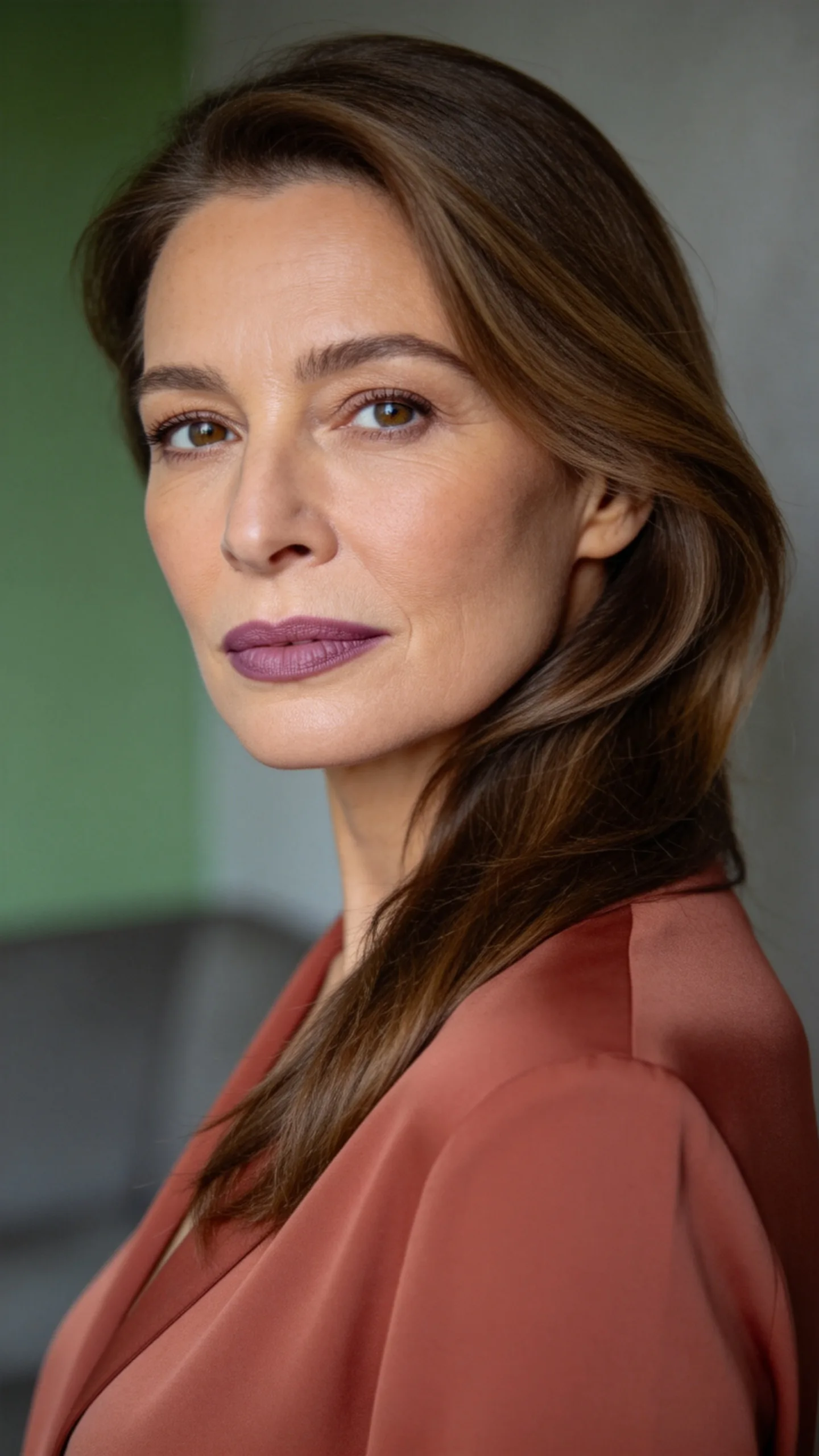
Rosewood is a sophisticated blend of muted red, dusty rose, and medium brown. It avoids both strong orange and strong violet, so it can adapt well to neutral complexions.
Ask for a rosewood gloss over light or medium brown hair for a subtle tonal change. On silver hair, lowlights in soft rosewood can create definition without covering every gray strand. The shade pairs well with mauve, mushroom, navy, soft white, and muted green clothing.
18. Dusty Rose Red for Cool Silver Hair
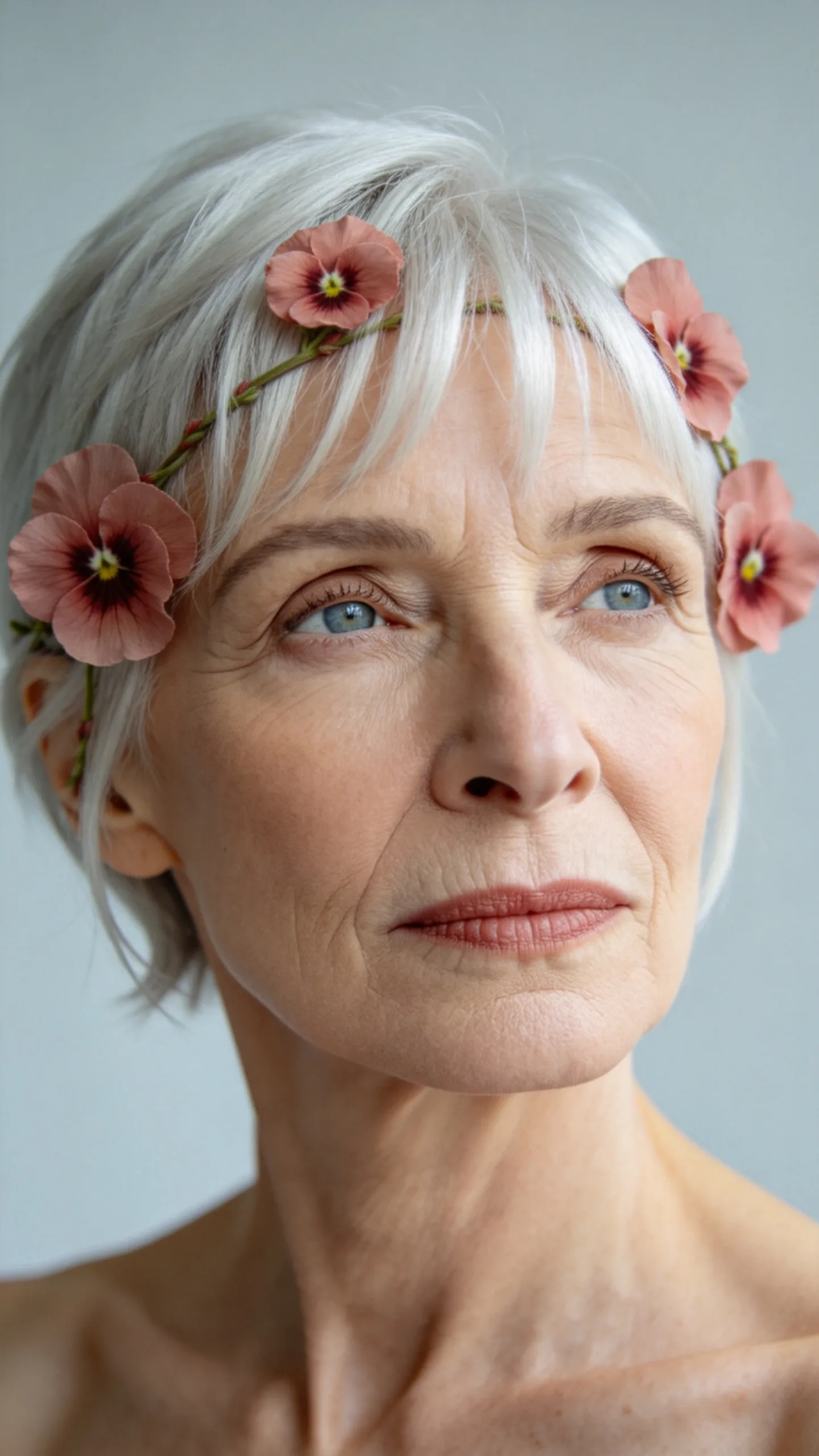
Dusty rose red is a pale, smoky pink-red that can be woven through naturally silver or white hair. Its cool, muted quality allows the silver to remain visible rather than disguising it beneath a conventional brunette-red color.
Try fine dusty rose panels around the fringe, temples, or ends for a controlled update. Because porous white hair may absorb pigment quickly, ask for a strand test and a diluted formula. A color-depositing mask can refresh the rose tone, but it should be used carefully to avoid uneven buildup.
19. Silver Auburn Blend for Neutral Undertones
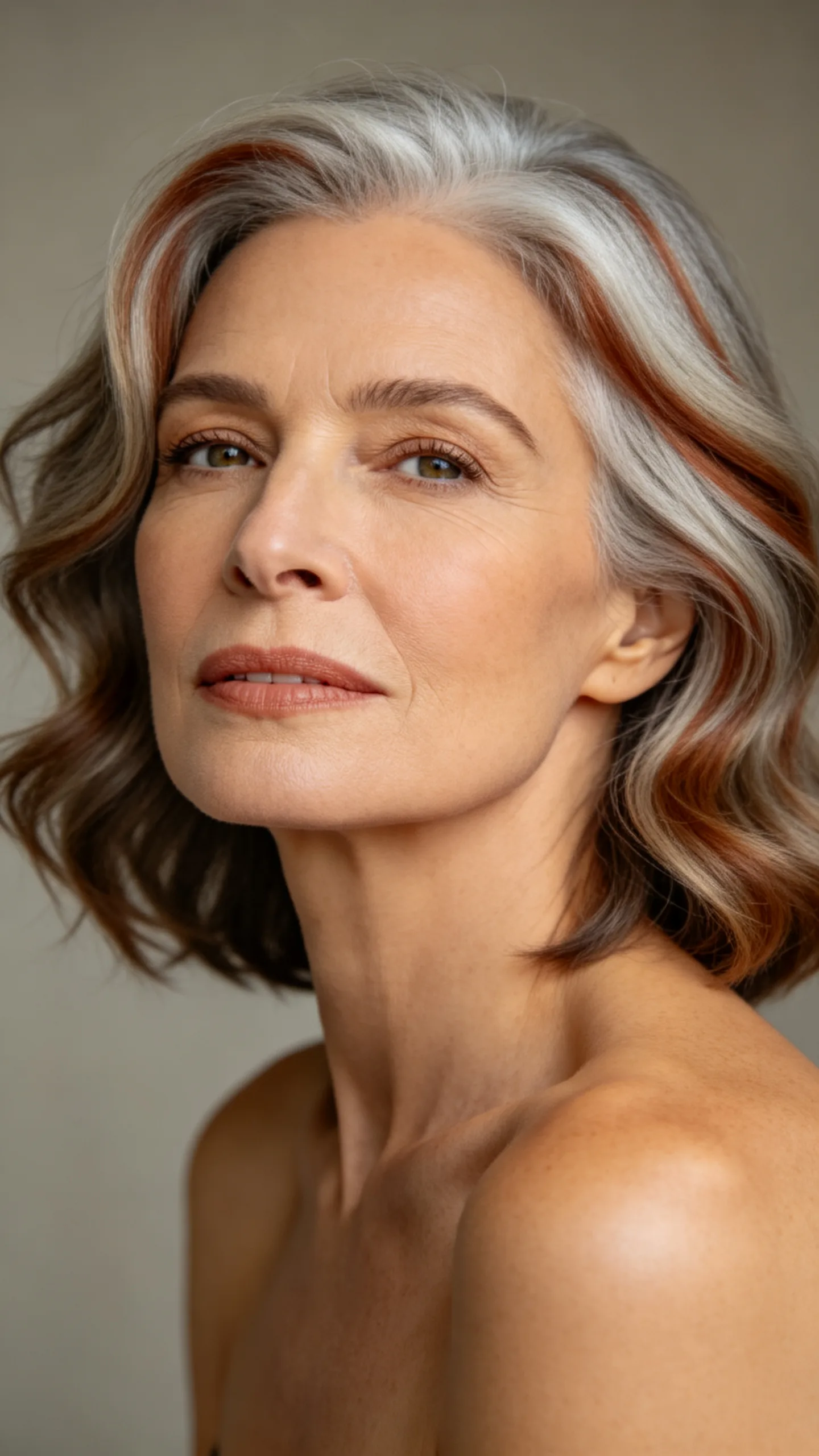
A silver auburn blend keeps a substantial amount of natural gray while adding medium auburn lowlights. The mix creates contrast and movement, making it suitable for women who want red hair without committing to complete gray coverage.
Ask for auburn lowlights that follow the natural gray pattern, with extra softness at the hairline. Neutral auburn—not highly orange or violet—will integrate most smoothly with silver. This technique is particularly effective on layered bobs, cropped cuts, and naturally wavy hair.
20. Copper and Gray Ribbon Highlights for Warm Undertones
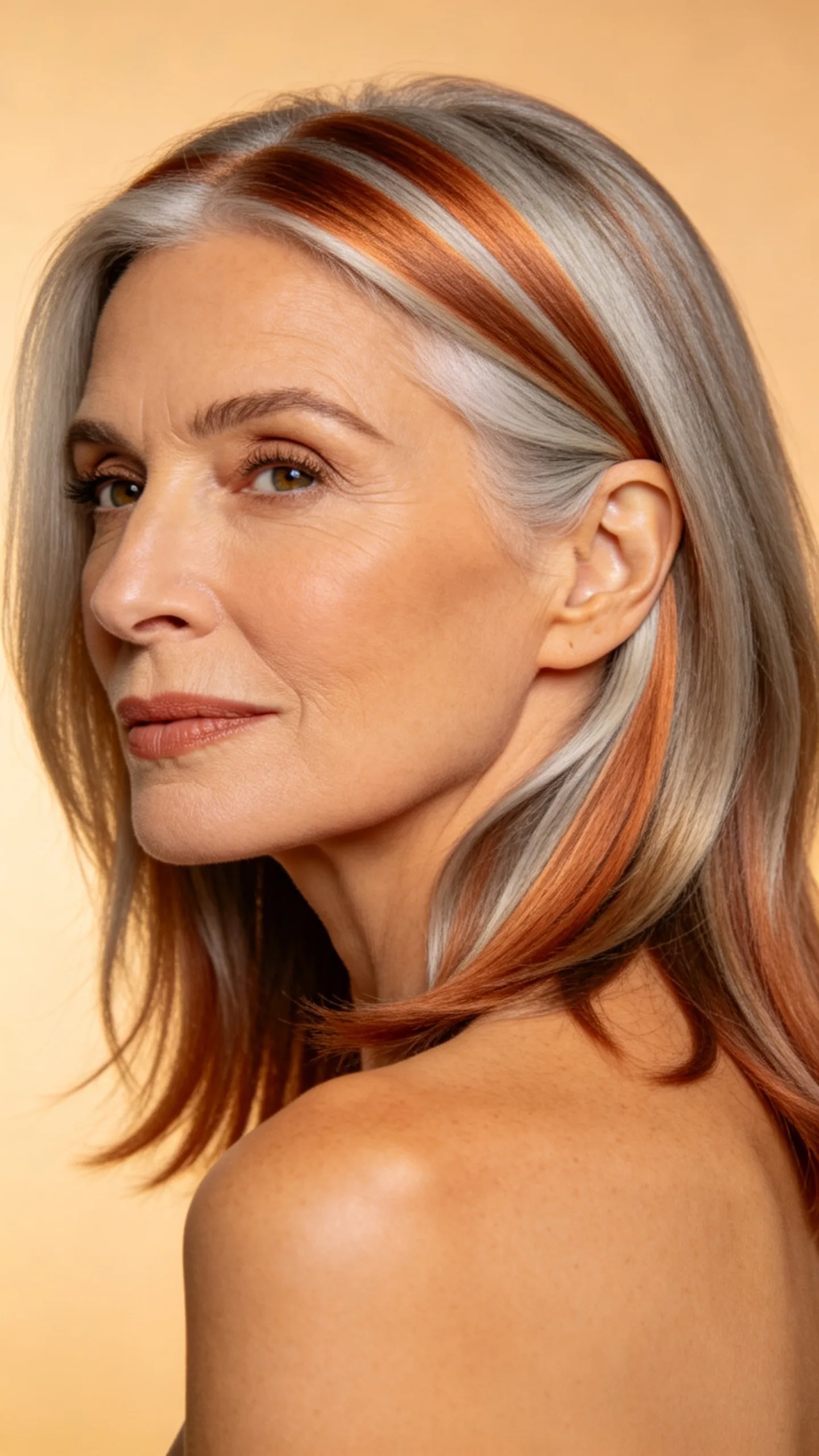
Copper and gray ribbon highlights intentionally combine warm red strands with natural silver. The copper brings warmth to golden or peach complexions, while the untouched gray provides brightness and reduces the look of a solid dye line.
Request narrow copper ribbons through the crown and wider pieces in the lower layers, depending on the density of your gray. Keeping some silver around the face can create a soft frame. A stylist can adjust the copper from pale ginger to deeper cinnamon based on your starting color.
21. Chestnut Red for Neutral-Warm Brunettes
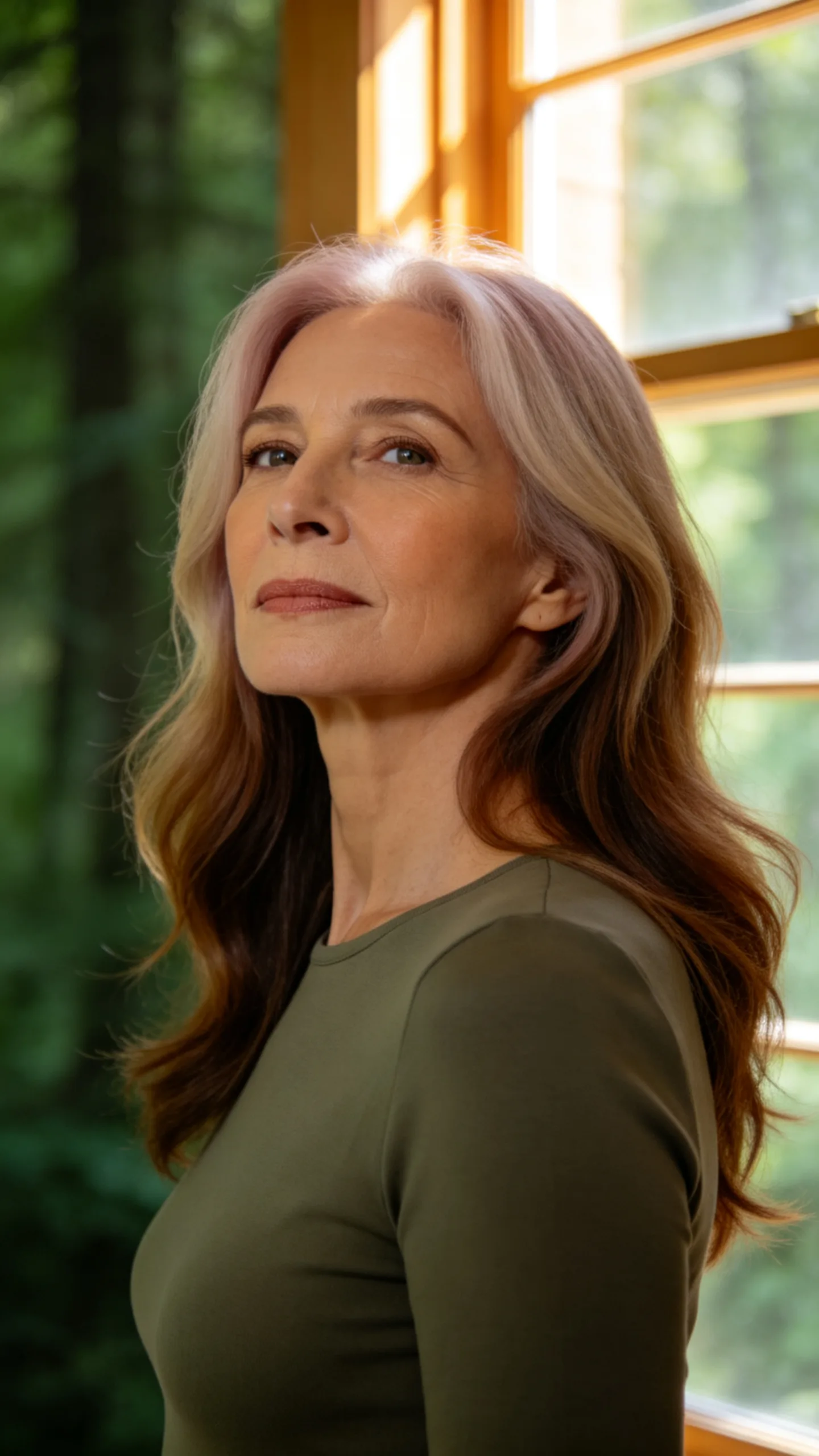
Chestnut red is predominantly medium brown with a soft red and golden undertone. It is one of the most understated options for women who want warmth without an obvious copper or burgundy result.
Use chestnut red as an all-over brunette shade or add it as lowlights through fading brown and gray hair. Honey-copper highlights around the face can make the red more noticeable, while a neutral brown root keeps maintenance manageable. This color complements cream, rust, forest green, and warm navy wardrobes.
22. Merlot Red for Cool or Neutral Deep Skin
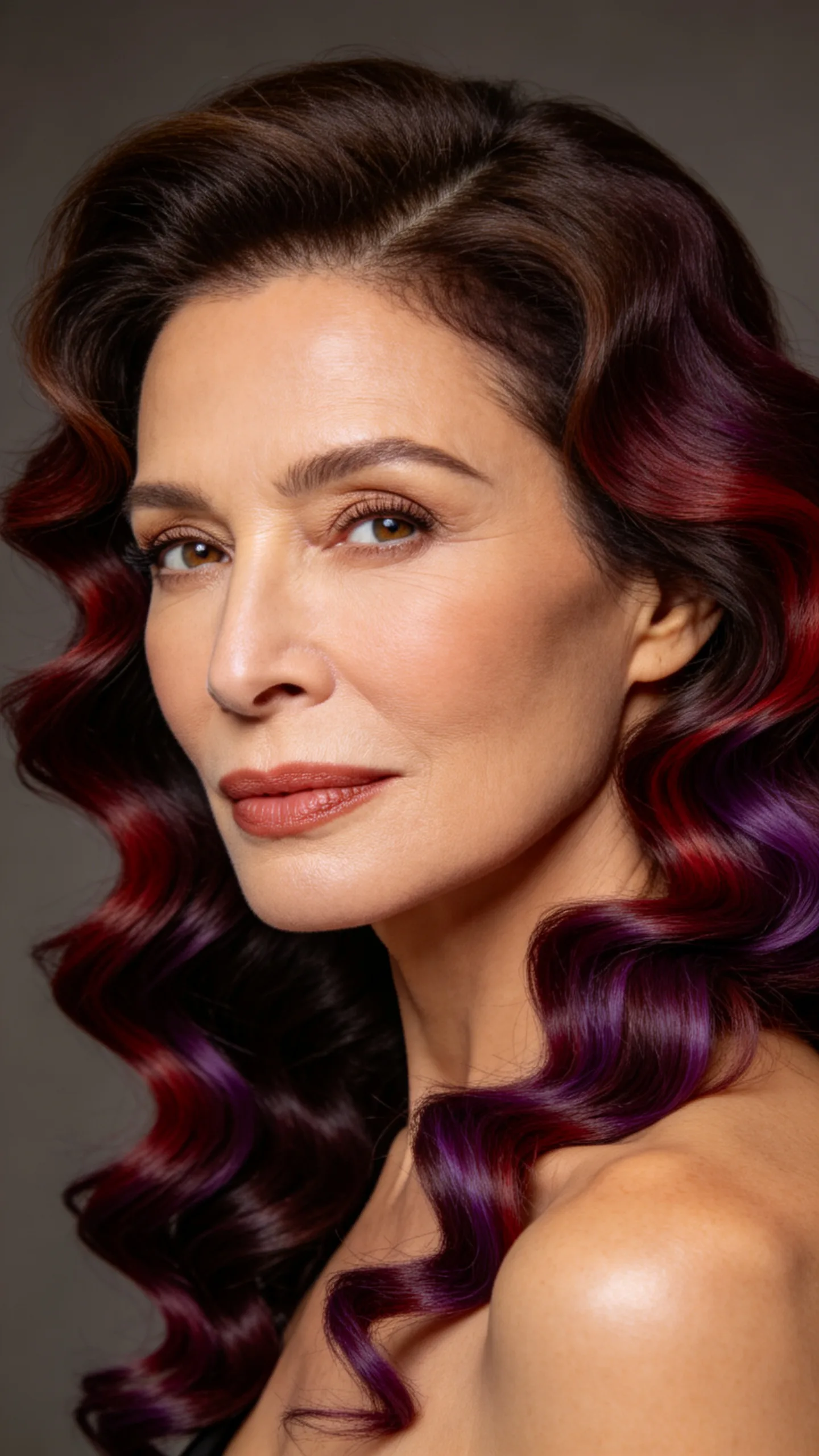
Merlot red is a deep wine shade with balanced red and violet tones. It is less purple than plum and cooler than mahogany, providing a rich option for cool or neutral complexions.
Ask for a merlot gloss over dark brown hair or multidimensional merlot highlights on curls and coils. Keeping the root close to the natural shade avoids a sharp regrowth line. If the color begins to look too violet, a salon can rebalance it with a neutral red-brown gloss.
23. Neutral Red-Brown Balayage for Flexible Undertones
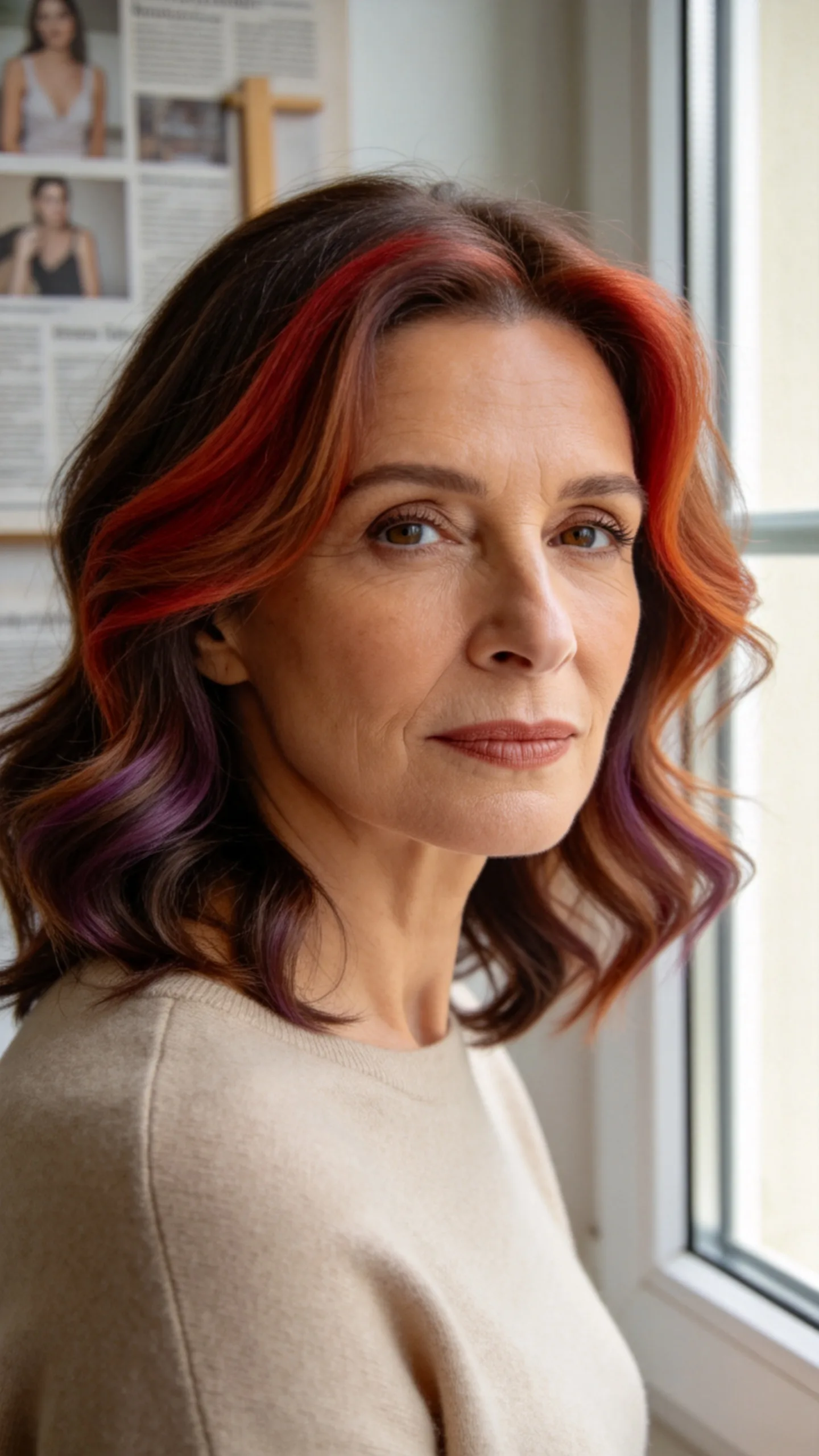
Neutral red-brown balayage mixes soft auburn, chestnut, and muted red without leaning heavily orange or purple. It is a flexible choice when your skin undertone is difficult to identify or changes visually with makeup, clothing, and seasonal sun exposure.
Have the color placed away from the scalp, with brighter pieces around the face and deeper brown between the highlights. The balayage placement allows the natural root to grow without a hard line. Bring reference photos showing both indoor and outdoor lighting so your colorist can match the exact balance of red and brown you prefer.